The Parish Noticeboard Went Digital: Winning Instructions in the Groups Where Your Town Actually Talks
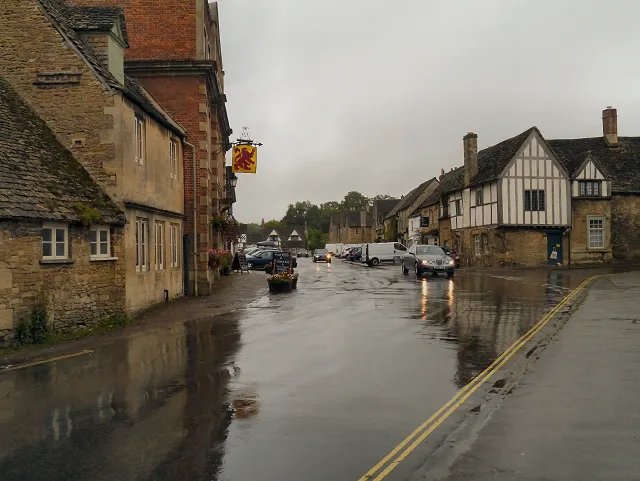
Photo: David Dixon , CC BY-SA 2.0, via Wikimedia Commons
There is a question every estate agency would pay handsomely to hear answered in their favour: who should I use to sell my house?
In towns like Frome, Louth, or Market Harborough, that question is increasingly asked not on Google but in a local Facebook group with 14,000 members, or on the town's Nextdoor feed. And the answers come from neighbours, not algorithms.
Why the Group Beats the Search Engine
Google can tell a prospective vendor which agents rank well. It cannot tell them which agent's negotiator actually rang back, or which firm's fees came with an unexpected add-on. Local groups trade in precisely that granular, experiential intelligence — which is why a single thread asking for agent recommendations routinely generates dozens of replies naming specific individuals by name.
For agents, this is both an opportunity and a trap. These spaces are fiercely protective of their commercial neutrality. The group admin who spots a marketing post will delete it, and quite possibly the poster's standing with it.
The Playbook: Presence Before Promotion
1. Map your groups. List every active local group: the general community page, the village society, the parents' group, the parish council forum. Note the rules on business participation — many allow it in designated weekly threads only.
2. Send a person, not a brand. Group members trust people. A named member of staff, living locally, participating as a resident first, is worth ten brand accounts. The branch manager who answers a question about parking restrictions is building recognition that no advert buys.
3. Give before you ask. Useful, non-commercial contributions — a straightforward explainer when leasehold reform hits the news, a heads-up about a scam targeting sellers — earn the standing to be recommended later.
4. Never self-recommend. When the agent question comes up, resist. Let clients do it. A prompt to recent, happy vendors — "if you found us helpful, I'm not allowed to say so in the group, but you're welcome to" — converts goodwill into the most credible endorsement available.
Proving It Converts
The objection from directors is always measurement. Three approaches work:
- Ask the question at every valuation. "How did you hear about us?" should be a logged field, with 'local group / word of mouth' as an explicit option.
- Use a soft landing page. Staff can mention the firm's website section on selling in [town]; branded search traffic spikes are traceable in Google Search Console.
- Monitor group mentions. A simple monthly tally of recommendations by group gives you a leading indicator — recommendation volume tends to move ahead of valuation bookings by a few weeks.
The Long Game
None of this is fast. Group credibility compounds over quarters, not weeks, and one misjudged promotional post can undo a year of goodwill. But that friction is exactly why it works: the barrier to entry deters the lazy and the spammy.
Estate agency has always been a recommendation business. The parish noticeboard simply has a better interface now — and the agents who show up as neighbours, rather than advertisers, will be the names in the thread when the next vendor asks.