The Reply Beneath the Review: What Vendors Really Learn From How You Answer Google Feedback
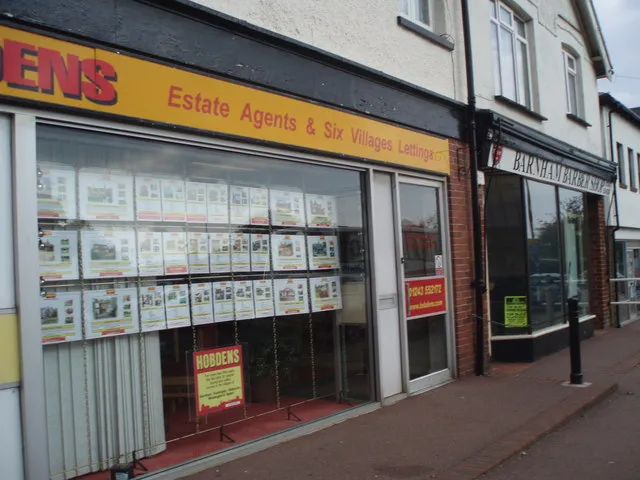
Photo: Basher Eyre, CC BY-SA 2.0, via Wikimedia Commons
Before a vendor books a valuation, most will read your Google reviews. Fewer people realise that many will also read your replies — and judge you on them.
We reviewed the review activity of more than 60 estate agency branches across England and Wales, sampling responses left over a six-month window. The findings point to an uncomfortable conclusion: the reply section is where agencies quietly win or lose credibility, and almost nobody is managing it deliberately.
The Response Gap Is Enormous
Roughly four in ten branches we sampled had never replied to a single review — including critical ones sitting unanswered for over a year. Among branches that did reply, the median response time to a negative review was nine days. In an industry where the average vendor shortlists two or three agents, a nine-day silence reads as indifference.
The pattern matters because Google treats review activity as a ranking input for local pack visibility. Fresh replies signal an actively managed profile. But the commercial weight sits elsewhere: a prospective vendor reading a one-star review with no reply has only the complainant's version of events. With a considered reply, they have your side too.
Three Archetypes of the Bad Reply
Our sample produced a taxonomy of failure.
The Legal Threat. "This review is defamatory and we will be consulting our solicitors." This reply appears more often than you'd expect, usually in response to fee disputes. It resolves nothing, deters future reviewers, and hands the complainant the moral high ground in front of every future reader.
The Copy-Paste. Identical thank-you messages, word for word, under twenty five-star reviews. Vendors notice. One Shropshire reviewer explicitly thanked an agent for a reply that was "clearly written by an actual human."
The Keyword Stuffing. Replies that shoehorn in "the leading estate agents in Chester for sales and lettings" read as marketing, not engagement. Google's own guidance to businesses is to write replies that are genuine and useful.
What Good Looks Like
The strongest replies in our sample shared four traits: a response within 48 hours; a name and role at the end; specific reference to what the reviewer actually said; and, where a complaint was raised, an offline route to resolution alongside a public acknowledgement.
Consider the difference. "Thank you for your feedback, we're sorry you feel this way" is filler. "Sarah — you're right that the floorplan took two weeks to appear, that's on us, and we've since brought the photography turnaround in-house" is evidence. It shows any future reader how the agency behaves when something goes wrong.
The Ranking Question
Does replying actually improve local visibility? Google has confirmed that responding to reviews is a best practice for local SEO, though it has never quantified the effect. Our sample was too small for firm conclusions, but branches replying to over 80% of reviews trended towards higher map-pack positions for "estate agent [town]" queries than silent branches with comparable review volumes.
The honest framing: replies probably won't lift you from position seven to position one. But they meaningfully improve what happens after the click — and that's where instructions are won.
A Working Standard
Agencies serious about this should adopt three rules. Reply to everything within two working days. Never argue publicly — acknowledge, take specifics offline, and close the loop publicly once resolved. And write each reply from scratch, as though the person reading it is deciding whether to hand you the keys to their largest asset. Because they are.