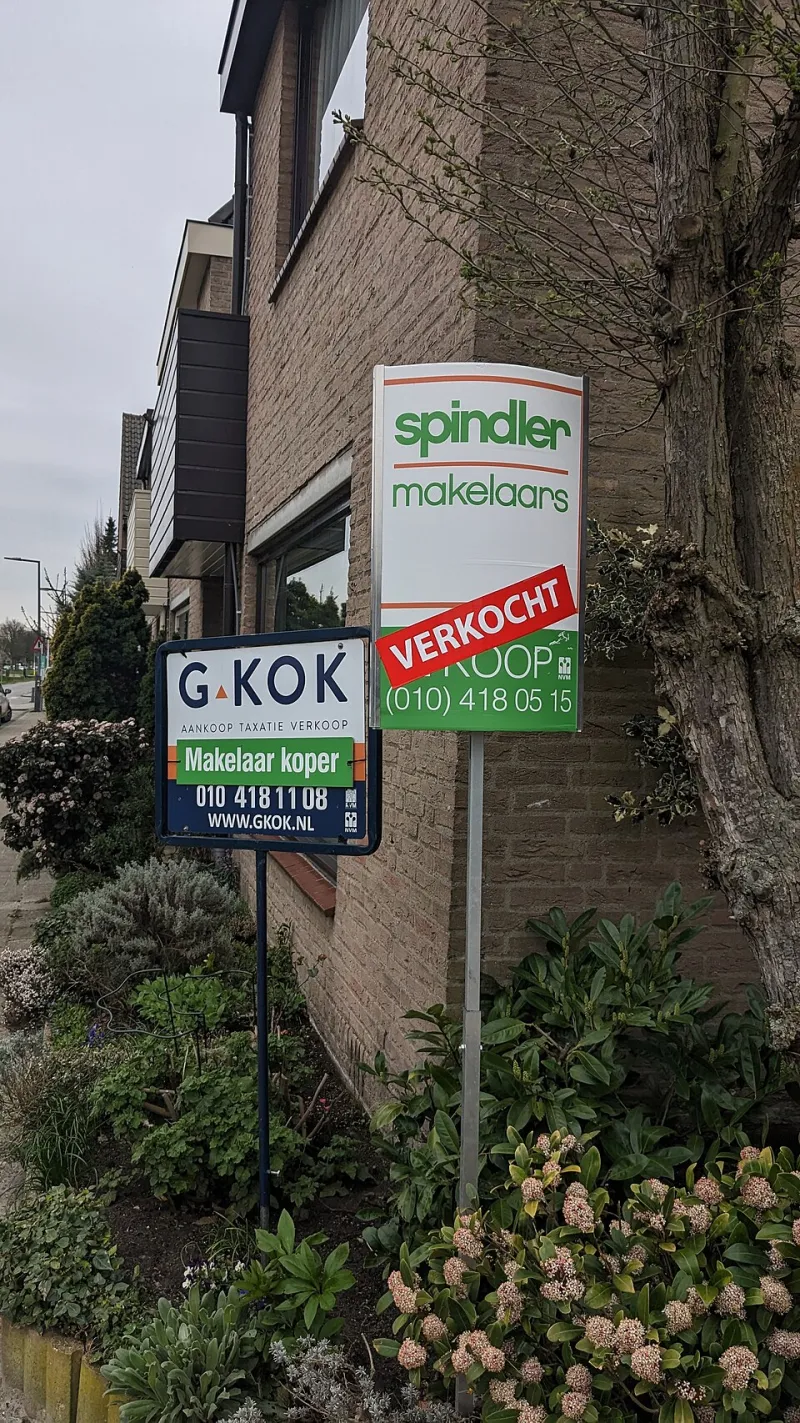
The Vanishing Shopfront: When Agencies Lose Their Branch, Google Notices Too
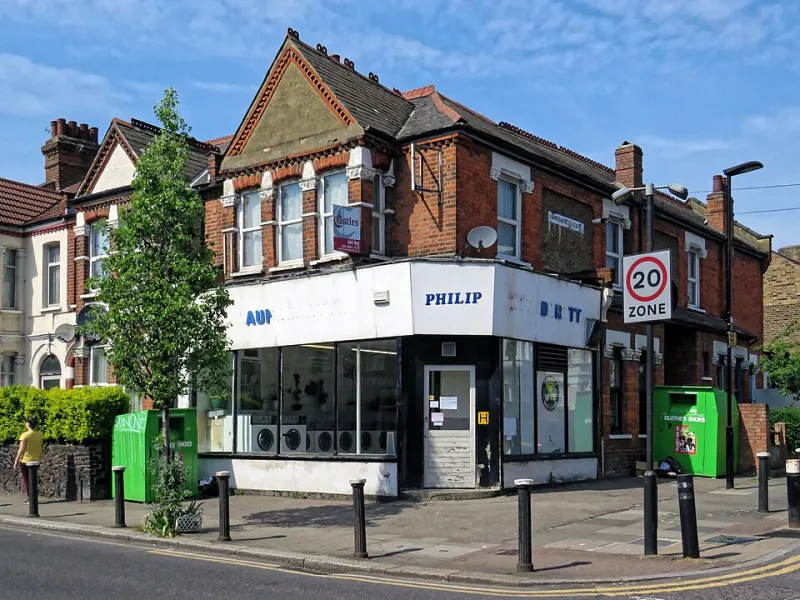
Photo: Acabashi, CC BY-SA 4.0, via Wikimedia Commons
Walk down most UK high streets and you'll spot it: the estate agency with two of its three windows empty, or the branch that quietly became a coffee shop last spring. Cost pressures, hybrid working and the rise of virtual agencies have made downsizing a rational business decision. What fewer agency owners realise is that the consequences don't stop at the shopfront — they follow you into the local pack.
The High Street Is a Ranking Signal
Google's local algorithm rewards prominence, and a physical presence contributes to it in ways that are easy to underestimate. A branch address gives you a verified Google Business Profile tied to a real, staffed location. Foot traffic generates check-ins, photos and directional requests. A window display full of property particulars prompts brand searches — people who walked past, remembered the name and typed it into Google later.
Remove the branch and each of those signals begins to fade. Review velocity drops because walk-in vendors stop leaving feedback. Brand search volume softens, and Google interprets that softening as waning relevance. In our work with agencies across the South East and Yorkshire, we've seen virtual-only operators struggle to crack the local three-pack in towns where they transact heavily — not because their service is weaker, but because their data shadows are thinner.
What Actually Erodes
Three things typically deteriorate after a footprint reduction:
- Review recency and volume. Branch closures remove the in-person moments that prompt reviews, and a profile whose last review is eight months old reads as dormant.
- Brand query frequency. Fewer physical touchpoints mean fewer people searching your name, which weakens one of the strongest relevance signals available.
- Location consistency. Old addresses linger in directories, citations and stale landing pages, sending conflicting NAP (name, address, phone) data that dilutes trust.
None of this is fatal. But left unmanaged, it compounds — and it compounds fastest in exactly the towns where you're still trying to win instructions.
Rebuilding the Anchor Digitally
The good news is that every brick-and-mortar signal has a workable digital substitute. The agencies that downsize successfully treat the transition as a search migration, not just a property one.
First, clean the citation trail. Before the old address disappears from your memory, audit every directory, portal profile and industry listing. Conflicting addresses are the single most common technical fault we find on downsized agencies' profiles, and they're cheap to fix.
Second, engineer review velocity. Without footfall, reviews must be asked for deliberately. A post-completion request timed to the moment of maximum goodwill — keys handed over, offer accepted — sustains a steady cadence that mimics, and often exceeds, walk-in volume.
Third, build hyperlocal landing pages that earn their keep. A virtual agency covering ten towns needs ten genuinely distinct pages: local sold-data commentary, school catchment notes, transport links, recent instructions. A template with the town name swapped out won't survive Google's helpful content standards — but a page that demonstrates real local knowledge competes with the branch next door.
Fourth, deploy structured data. RealEstateAgent schema, areaServed markup and consistent LocalBusiness details give machines the geographic clarity that a physical sign once provided. It's the closest thing to a digital shopfront sign, and almost no independent agency uses it well.
Measure What the Branch Used to Measure
A branch told you things: how many people walked in, which streets they came from, what they asked about. Its digital replacement needs equivalent instrumentation. Track brand search trends monthly, monitor Google Business Profile actions (calls, direction requests, website clicks), and watch filter performance in the local pack for your core villages and postcodes.
If those numbers hold steady through a downsizing, your visibility is intact. If they slide, you'll catch it in weeks rather than losing a spring season to silence.
The Footprint Was Never the Point
Vendors don't choose an agency because it occupies a building; they choose it because it looks established, trusted and present in their community. A branch was simply the old mechanism for communicating that. Done properly, structured data, disciplined review generation and genuinely local content communicate the same thing — at a fraction of the overhead.
The agencies that thrive after downsizing aren't the ones that go quiet. They're the ones that move their shopfront online and keep the lights on.